 For decades, Ross School has reimagined the educational experience, blending interdisciplinary learning, global awareness, and creative exploration into an academic setting on the East End. Founded in 1991 on the belief that education should reflect the complexity of the world, the school’s unique Spiral Curriculum connects subjects across time and disciplines, helping students develop a deeper understanding of both their studies and their place in the world.
Under the leadership of educators like Bryan Rousseau-Rosenberg, Associate Head of School & Head of Lower School, and Director of Ross Summer Programs, Ross continues to evolve while staying rooted in its mission of educating children in a well-rounded manner. With campuses in Bridgehampton and East Hampton, the school’s environment is dynamic with academics, arts, athletics, and innovation integrating seamlessly.
As families begin planning for the summer 2026 season, Ross Summer offers programs that include enrichment, creativity, and hands-on learning in the Hamptons setting. Bryan Rousseau-Rosenberg shared insight into the school’s founding vision, its approach to education today, and what makes Ross Summer an engaging entry point for both new and returning families.
Can you share the founding story of The Ross School and the vision that first inspired it?
BR: Ross School was founded by Courtney Sale Ross with a forward-looking vision for education that mirrors the complex nature of the world around us, interdisciplinary, global, and constantly evolving. That vision led to the development of the Spiral Curriculum, which connects history, science, art, and culture across time, giving students both context and continuity in their learning.
From the start, Ross has been about more than academics, it’s about helping students understand the world and their place in it.
How would you describe the school’s philosophy and mission today?
BR: Ross is grounded in educating the whole child, intellectually, creatively, and personally for the whole world. The mission is to foster curiosity, interdisciplinary thinking, and global awareness, preparing students to navigate a complex and rapidly changing world.
That mission has continued to evolve, with growing emphasis on wellness, emerging technologies like artificial intelligence, and real-world applications. What remains constant is a commitment to developing thoughtful, engaged, and capable individuals.
How does your academic approach shape the student experience?
BR: The Spiral Curriculum is the foundation of the Ross experience. Students revisit key themes and ideas over time, each time at a deeper level.
In the early years, learning is inquiry-driven, hands-on, collaborative, and exploratory. In the grades 7-8, students begin connecting ideas across disciplines through collaborative, project-based work. In grades 9-12, students engage in advanced, and college-preparatory coursework, original research, and increasingly independent inquiry.
The overall program is a cohesive experience where students build not just knowledge, but the ability to think critically and make meaningful connections.
How do the Lower and Upper School campuses differ?
BR: Each campus is designed with a distinct developmental stage in mind. The Lower School in Bridgehampton offers a nature-rich, nurturing, and inspirational environment where students build foundational skills through exploration and play. The Upper School in East Hampton provides a more independent, collegiate setting, with access to specialized facilities and opportunities for deeper academic and extracurricular engagement. Together, they create a natural progression, from guided discovery to confident independence.
How do arts, athletics, and STEAM fit into the Ross experience?
BR: At Ross, these areas are fully integrated into the academic experience, both in the classroom and through immersive programs like Field Academy.
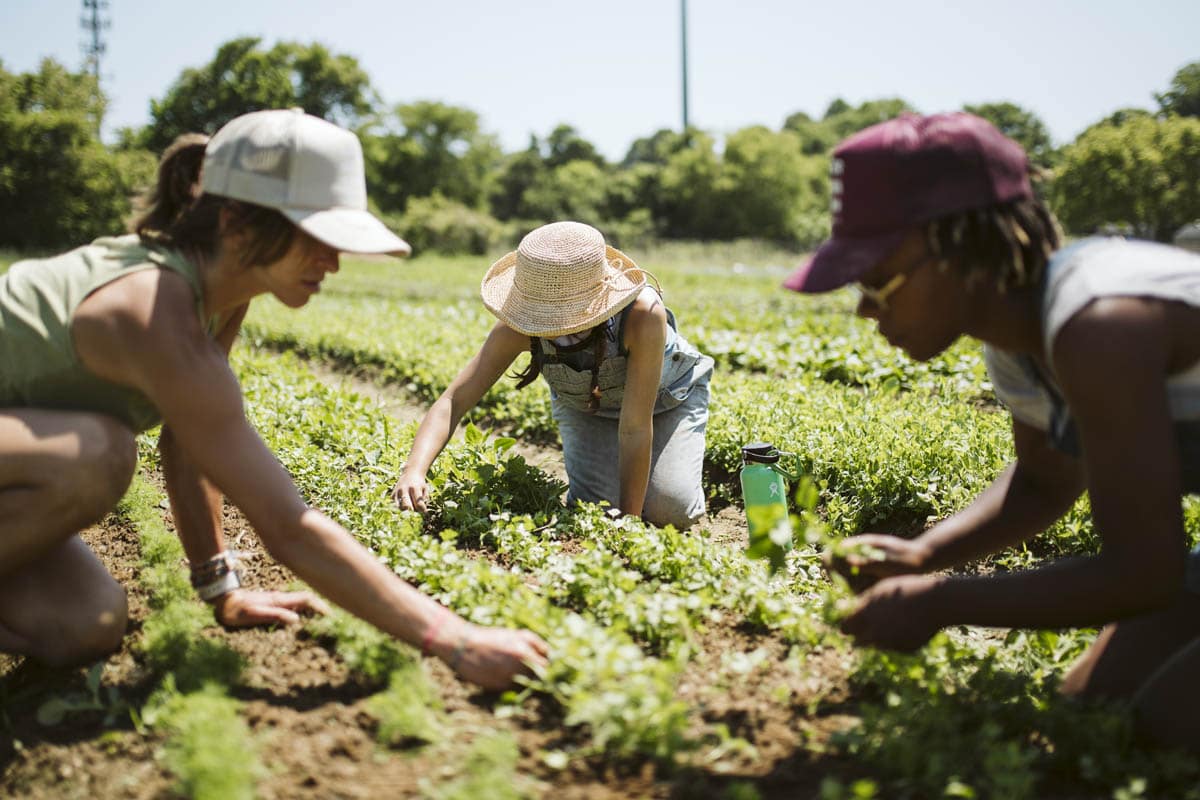
Students might explore storytelling through both history and theater, understand physics through athletics, or engage with real-world problem-solving through STEAM. Through Field Academy, these connections extend beyond campus, giving students hands-on opportunities to apply their learning in dynamic, real-world environments.
This interconnected approach helps students discover their strengths and interests while developing creativity, resilience, and critical thinking.

What can families expect from Ross Summer?
BR: Ross Summer is a vibrant extension of the school-year experience, bringing together enrichment, exploration, and the energy of the Hamptons.
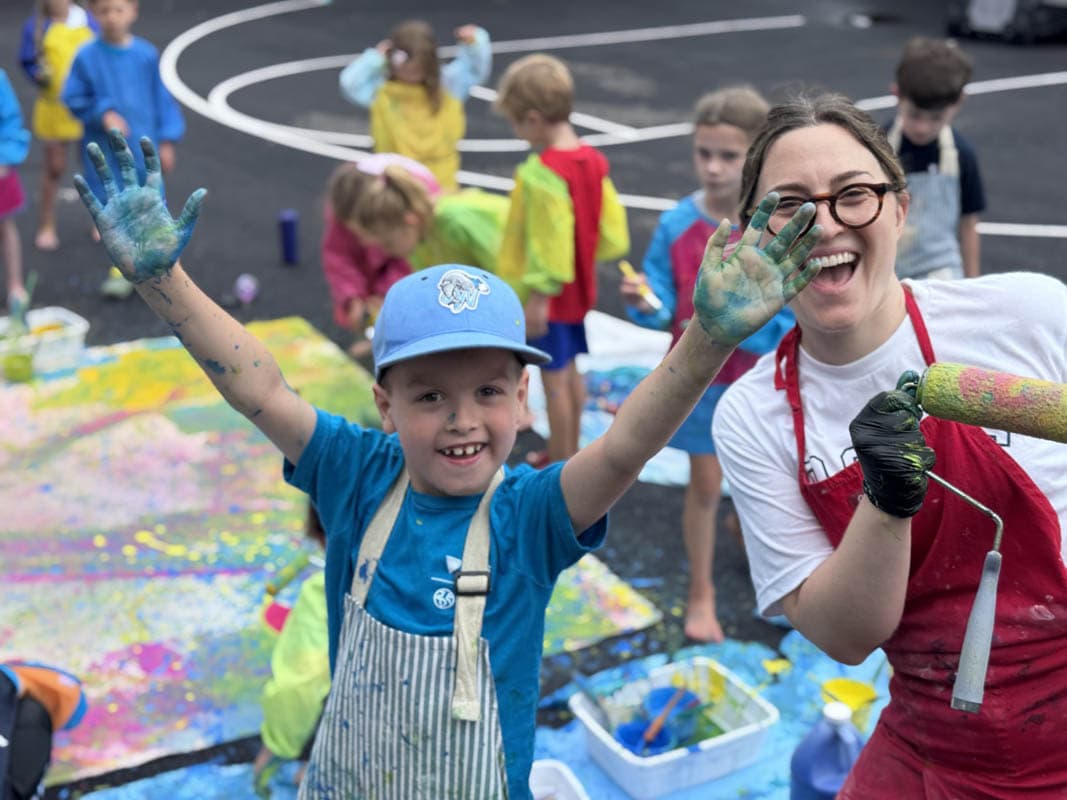
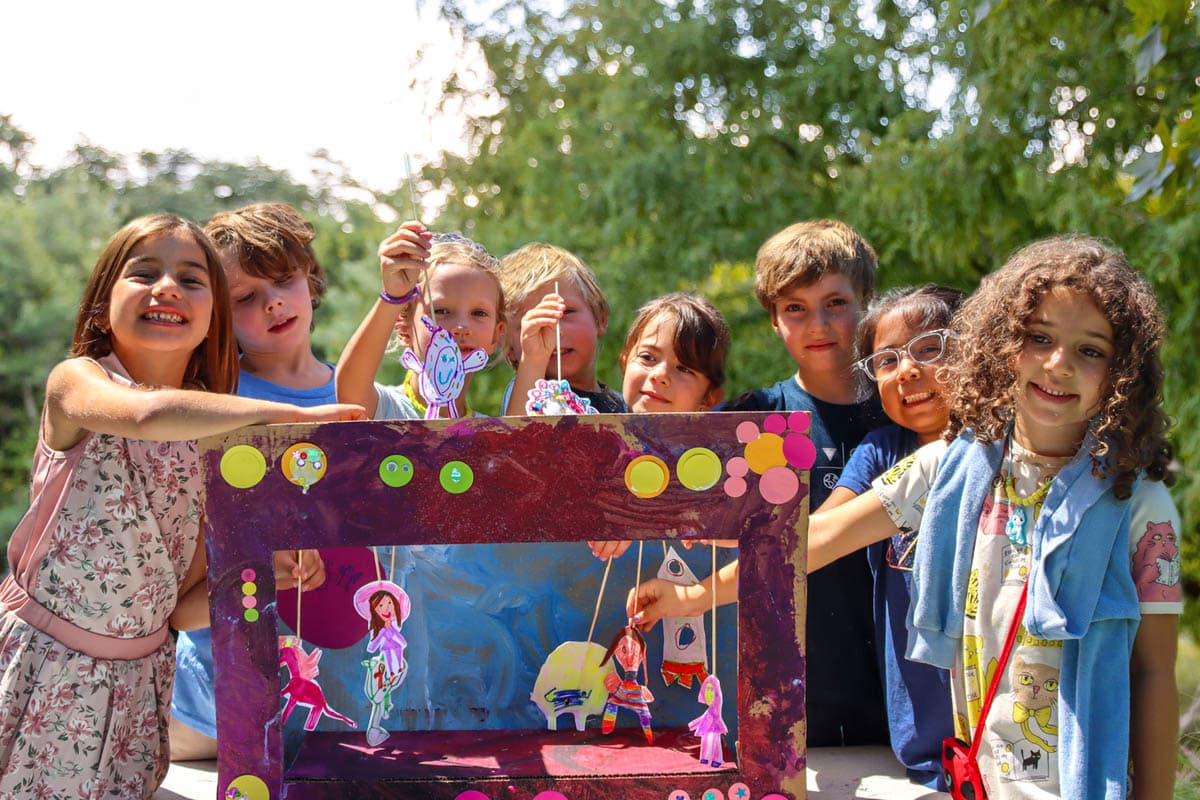
On the Lower School campus, children ages 2 to 12 engage in a mix of structured morning programs, such as ceramics, theater arts, fashion design, and robotics, and more flexible afternoon activities, including beach trips, outdoor play, and creative workshops. The program is intentionally flexible, with individualized support and opportunities for students with a wide range of learning styles.
At the Upper School, older students can choose from high-level athletic camps or more immersive Summer Term and boarding experiences, where students can focus on academics and or athletics with other students from around the world.
New this year, partnerships like Inspirit AI bring cutting-edge programming to campus, with students working alongside researchers from leading institutions on age-appropriate AI projects. The summer tennis program, led by internationally experienced coaches, and high-level sports camps further reflect Ross’s commitment to excellence across disciplines.
Across both campuses, programs are led by Ross faculty and industry professionals, and are designed to balance rigor with fun, whether that’s in the classroom, on the field, or at the beach.
For many families spending the summer in the Hamptons, Ross offers a uniquely thoughtful and engaging option, and for others, it’s an entry point into the school community.
What role do parents and families play in the Ross community and the overall experience?
BR: Families are an integral part of Ross. The school emphasizes strong communication and meaningful partnership between educators and parents.
There are opportunities to engage through events, performances, and community initiatives, and many families first experience that sense of connection during the summer months.
Are there any upcoming programs or initiatives you’re especially excited about?
BR: This summer reflects the continued evolution of Ross, with expanded academic offerings, strong athletics, and new programs in areas like AI and STEAM.
Through a new partnership with Inspirit AI, students across multiple age groups will have the opportunity to engage directly with one of the most important and fast-evolving fields shaping the future. What makes this program distinctive is not just the subject matter, but the level of instruction, students work with postdoctoral researchers and graduates from leading institutions like Stanford and MIT, bringing real-world expertise into an accessible, age-appropriate format.
The program is thoughtfully tiered: younger students are introduced to foundational concepts through creative, project-based learning as “AI Creators,” middle school students build applied skills as “AI Pioneers,” and high school students engage more deeply as “AI Scholars,” exploring both technical concepts and real-world implications.
Importantly, the focus isn’t just on coding or technical proficiency. The program emphasizes critical thinking, ethical considerations, and interdisciplinary application, aligning closely with Ross’s broader philosophy. Students are encouraged to think about how AI intersects with fields like healthcare, environmental science, the arts, and global systems.
In that sense, this isn’t a standalone offering, it’s a natural extension of the Ross approach. It gives students the opportunity to engage with emerging technology in a way that is hands-on, thoughtful, and connected to the bigger picture.
Alongside AI, the continued growth of Summer Academy, strong athletics programming, and expanded arts offerings make this one of the most dynamic summers yet, both for current families and those discovering Ross for the first time.
What should prospective families know about the admissions process?
BR: Admissions at Ross is holistic and relationship driven. The process includes a campus visit, conversations with families, and a review of each student’s academic and personal profile.
The school looks for students who are curious, engaged, and eager to explore—and families who are aligned with its values and excited to be part of a dynamic, collaborative community.
How does Ross prepare students for life beyond graduation?
BR: Ross prepares students not just for college, but for a lifetime of learning and leadership.
Graduates leave with strong academic foundations, but also with the ability to think critically, communicate effectively, and adapt to new challenges. They are globally aware, intellectually curious, and equipped to navigate an ever-changing world.
What’s next for the future of Ross?
BR: Ross continues to build on its founding vision by expanding programs in areas like artificial intelligence, wellness, and sustainability, while deepening its interdisciplinary approach. The focus remains on creating an experience where students feel challenged, supported, and inspired.
Is there anything else you’d like to share with our readers?
BR: Ross Summer offers a unique window into the school’s philosophy in action, where students explore interests, build confidence, and form lasting connections. For many families, it’s not just a summer program, it’s the beginning of their Ross journey.
To learn more about Ross School and the programs they offer, click here.