


By: Eric Viner
The Hamptons has long been defined by its landscape—and by the artists drawn to it. But what was once a place to retreat and make work is now something more active, more visible, and harder to ignore. The East End is no longer just a backdrop for art; it’s become a site of production, presentation, and experimentation. Museums are expanding. Residencies are multiplying. Here are some of the leaders.
 Parrish Art Museum
Parrish Art Museum
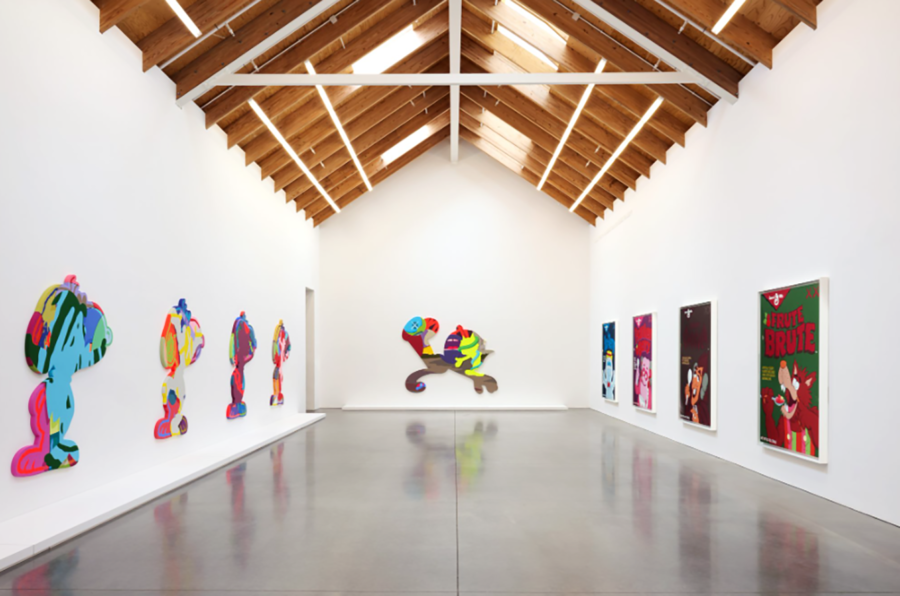
At the center of that transformation is the Parrish Art Museum, which has evolved far beyond the role of a traditional regional museum. Under Executive Director Mónica Ramírez-Montagut, the institution has emerged as both a cultural and civic gathering place, presenting programming that explores ecology, democracy, education, and community dialogue alongside contemporary art. In describing the museum’s evolving mission, Ramírez-Montagut said the goal is to “reflect on the nation’s history and founding values, examine the present moment, and imagine new ways of moving forward.”
Southampton Arts Center
Southampton Arts Center
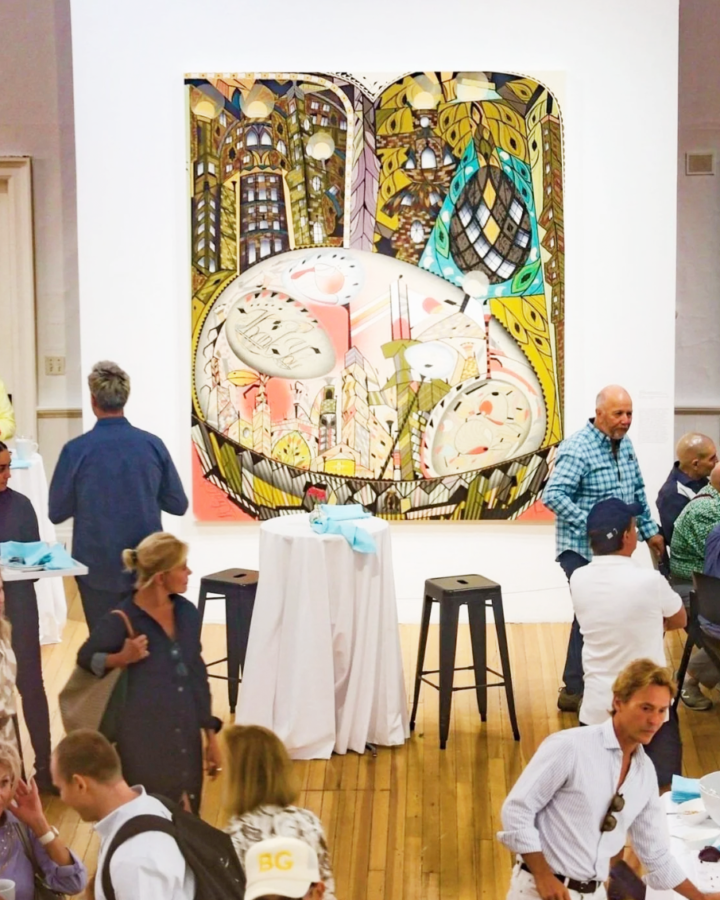
Southampton Arts Center represents another important shift unfolding across the East End: accessibility, participation, and community engagement. Through public programming, educational initiatives, performances, and local partnerships, the institution has embraced a more inclusive cultural model. Take note: “The Story of America: 1776–2026” exhibition runs through July 18th and is a must-see!
LongHouse Reserve
LongHouse Reserve
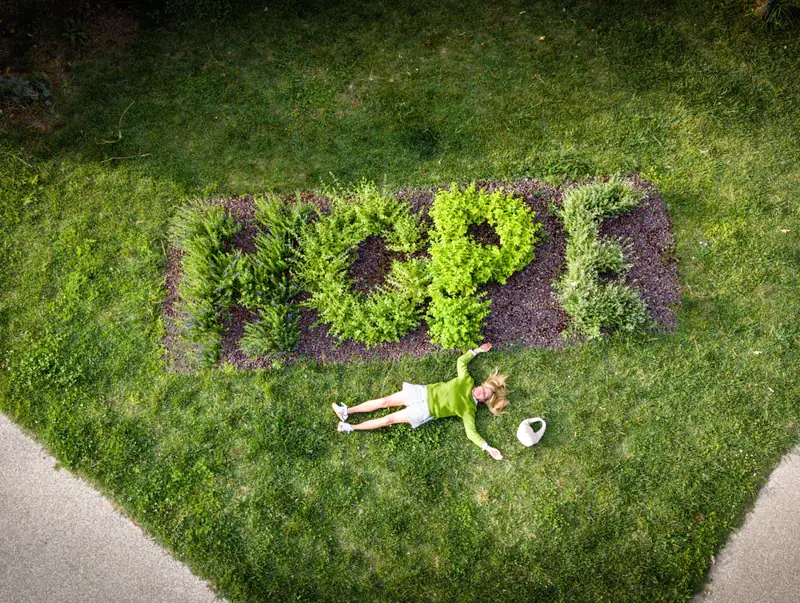
Equally emblematic of the East End’s cultural evolution is LongHouse Reserve, where art, nature, architecture, and design exist in seamless conversation. Founded by legendary textile designer Jack Lenor Larsen, LongHouse has become one of the Hamptons’ most distinctive cultural destinations, offering an immersive alternative to the traditional museum experience. Under the leadership of Artistic Director Carrie Rebora Barratt, the institution continues expanding its contemporary programming while preserving Larsen’s original vision.
Guild Hall
At Guild Hall, that transformation has been especially visible. Once viewed primarily as a beloved local arts center and social institution, Guild Hall today operates with the energy of a multidisciplinary contemporary arts venue, blending visual art, film, theater, technology, and performance in ways that feel distinctly current. Under Executive Director Andrea Grover, who celebrates her 10th anniversary leading the institution this season, Guild Hall has embraced a more artist-driven identity while continuing to honor its East End legacy.
Grover has often spoken about “letting artists lead the way,” an approach that has helped position Guild Hall as both culturally adventurous and socially central. This summer’s programming continues that balance, attracting audiences that move effortlessly among the worlds of contemporary art, entertainment, philanthropy, and design.
The Watermill Center
Founded by theater director Robert Wilson, the Watermill Center has evolved into one of the art world’s most experimental creative campuses. What was once considered an avant-garde retreat has become a global residency and performance hub, attracting artists, collectors, curators, and patrons from across Europe, Asia, and the U.S. In many ways, Watermill represents the Hamptons at its most globally connected: intellectually adventurous, visually ambitious, and deeply intertwined with the international contemporary art world.

![Sculpture @ Sylvester Manor: [R]evolution](https://hamptons.com/wp-content/uploads/event-manager-uploads/event_banner/2021/07/manor_house-350x350.jpg)


